 BEST OF PHILLY® 2026 WINNER FOR BEST HOME STORAGE



A well-designed storage system can change how your home functions, but it still helps to know what to keep, where to start, and how to maintain it once life gets busy again.
That’s why The Closet Works partnered with Simple Steps Consulting, led by professional organizer and space planning expert Shane Bone. We asked Shane the questions clients ask us all the time, including where to begin, what makes organizing stick, and what actually helps once the project is done.
Read on for the answers to your questions, plus a special offer at the end.
1. For clients who feel overwhelmed by clutter, what is usually the hardest part about getting started with organizing?
Shane: Knowing where to start can often be the biggest hurdle. Clients take one look at the clutter and disorganization and often feel so overwhelmed that it’s easier to walk away than get started. Or for clients who try to begin, they do a little work, feel like they’ll never get through it all, and then they give up!
2. How does professional organizing differ from simply cleaning or tidying up a space?
Shane: The focus of professional organizing is creating a systematic approach to how items are stored in any given space. Cleaning and tidying become much more efficient when every item has a home.
3. When someone is planning a closet or storage project, how early can professional organizing be helpful in the process?
Shane: We encourage clients to organize on the front end of a closet or storage project so they know exactly what they need to store. Planning storage systems around items that are actually being kept is a much more efficient way to determine what the actual storage needs are.
4. What types of decisions do clients struggle with most during their organizing projects?
Shane: Personal belongings and keepsakes typically stir the deepest emotions when people are engaging in organizing projects. For this reason, we postpone those types of decisions until the end. Determining the easiest decisions for a client to make is a good starting point, and often, once clients succeed in reducing unwanted items, the next level of decision-making gets easier.
5. How do organizing habits help clients maintain their spaces long after a project is complete? Which are the most effective in your opinion?
Shane: My favorite organizing mantra is “one item in, one item out.” Once a client has organized a space, getting rid of a like item for every item they bring into their home is a great way to practice staying organized. Another practice we encourage is to “shop your own house first.” This means that you should first use items that you already own. This not only saves you money, but also encourages you in the future to use the items you’ve already bought instead of buying more of the same.
6. What would you say to someone who thinks that finding “more space” is the only solution?
Shane: Reducing damaged or unwanted personal belongings is a great way to free up existing space in a home. Often, people are holding onto items because they were handed down, gifted to them, or because they don’t know what else to do with them. When gaining space matters, taking the time to go through attics, basements, and garages can reveal items you no longer use and uncover the extra space you need.
7. In your experience, what changes for clients once they feel more in control of their space?
Shane: We regularly experience “the great exhale” when clients realize how much tension and overwhelm they’ve been holding in. When chaos and clutter is the norm, we become accustomed to it and make excuses for how we are living. Once that clutter and disorganization have been addressed, clients regularly report feeling so much better and LOVING their homes again. Clutter evokes chaos, and organization invites calm!
8. If someone feels overwhelmed and unsure where to start, what would you tell them about taking the first step?
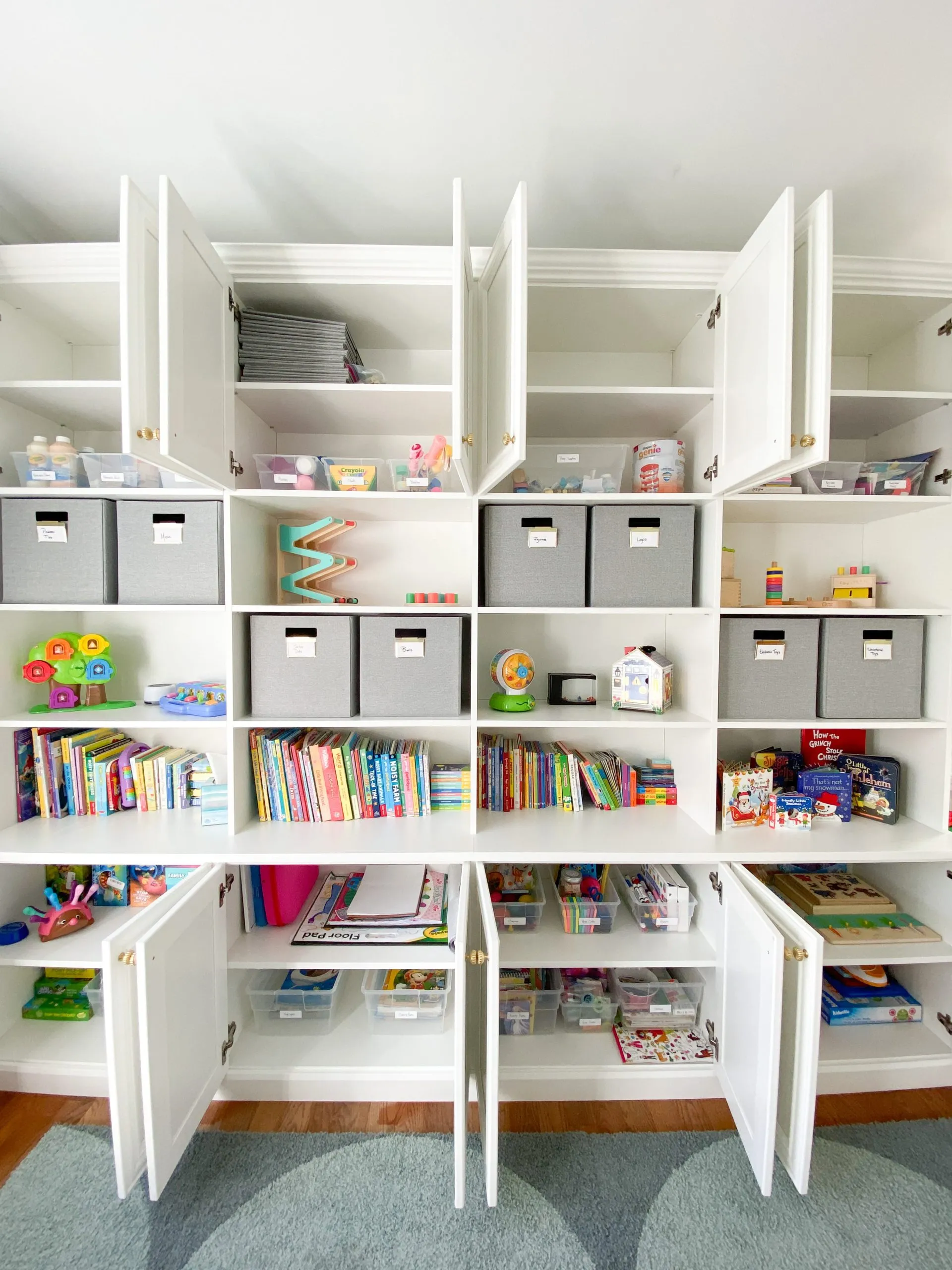
Shane: If clients are motivated, they sometimes just need an organizing checklist to help them get started. I encourage my DIYers to start small. Pick a single closet or space. We almost always start by removing trash. Then use bins or boxes to sort and group like items. After that, we review for excess or unwanted items and remove them for donation immediately. What is left is what you have to work with. Think about how you use those items, where they belong in your house for ease of access, and then store them in clearly labelled bins so everyone knows where they are and where to put them away. If tackling these projects alone isn’t working, hire a professional organizing team. We get the job done fast!
Key takeaway
The most sustainable organizing results come from starting small, making clear decisions about what stays, and setting up simple systems that everyone in the home can follow.

Ready to Take the First Step?
If you’re considering a storage upgrade, book a free design consultation, and our designers can help you map out a solution that fits your routine and what you’re keeping. And if you want hands-on support for decluttering and setting up habits that stick, Simple Steps can help with the organizing side too.
Keep an eye out for our next Q&A with Simple Steps, where we get into how custom storage supports those systems long term.
Partnership offering: Mention The Closet Works Inc. and receive $50 off your first project with Simple Steps Consulting.
ClosetWorksInc.com
SimpleStepsConsulting.com