When you look at your whole home, getting organized can feel overwhelming. That’s why we suggest breaking it into a multi-week process that’s easier to start and easier to stick with. By going space by space, you can knock out the clutter and get organized without getting sidetracked.
Week 1: Kitchen, Pantry, and Dining
The kitchen collects a little bit of everything. It’s where daily routines happen and where small frustrations add up. Starting here gives you some of the most visible wins right away.
Focus on the areas you use most:
- Clear out your drawers, remove what doesn’t belong, and group the rest so everyday essentials are easier to grab.
- Create clear zones in your pantry by category and keep older items toward the front.
- Toss expired food from the fridge and freezer, then group what stays by category.
- Sort pots and pans so the pieces you use most are the easiest to reach.
- Straighten up under the sink and use bins or caddies to contain cleaning products.
- Clear the dining table and create a nearby drop zone so the surface stays clear and usable.

Week 2: Closets, Wardrobe & Bath
Once the kitchen is under control, move into the spaces that shape your daily routine. Closets, drawers, and bathroom storage may not always be front and center, but they affect how your mornings start and how smoothly the rest of the day goes.
Focus on the spaces that shape your daily routine:
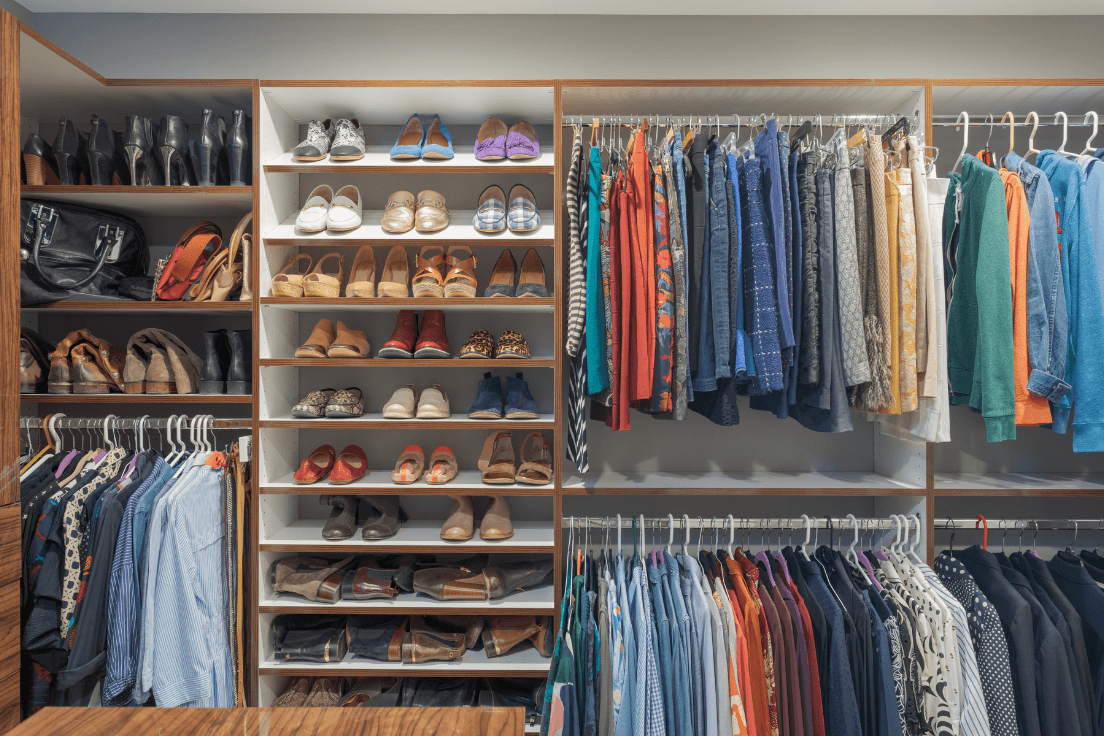
- Clear out your closet, donate anything you no longer wear, and reorganize by category, season, or how often you wear it.
- Pair up socks, clear out overstuffed drawers, and use dividers or bins to keep items tidy.
- Organize necklaces, scarves, and ties with hooks, and use trays or organizers for smaller items.
- Sort your shoes so the pairs you wear most are the easiest to grab.
- Clear out the linen closet and group towels, sheets, and extras so they’re easier to find.
- Clean out your makeup area or medicine cabinet and toss anything expired or unused.

Week 3: Office, Living Spaces, and Daily Clutter
Now that the more routine-driven spaces are under control, it’s time to tackle the mixed-use areas where daily clutter tends to build up, like your home office. Because these spaces often do more than one job, they can get out of hand quickly.
Focus on the mixed-use spaces that catch the daily spillover:
- Clear your desk to start fresh and rearrange your drawers and cabinets.
- Go through paperwork, file away what stays, then shred the rest.
- Straighten up the entertainment area and dedicate a space for remotes, cords, and accessories.
- Clear your nightstand and keep only what you actually use there.
- Tidy bookshelves, side tables, or other surfaces to remove anything that drifted from other spaces.
- If you have kids, pets, or both, dedicate a space for toys and everyday supplies so they’re easier to find and easier to put away.

Week 4: Entry, Utility, and Overflow
By the final week, it’s time to tackle the areas that support the rest of the house. These spaces tend to hold the overflow, seasonal items, and everyday extras that don’t always have a clear home.
Focus on the spaces that keep the rest of the house running:
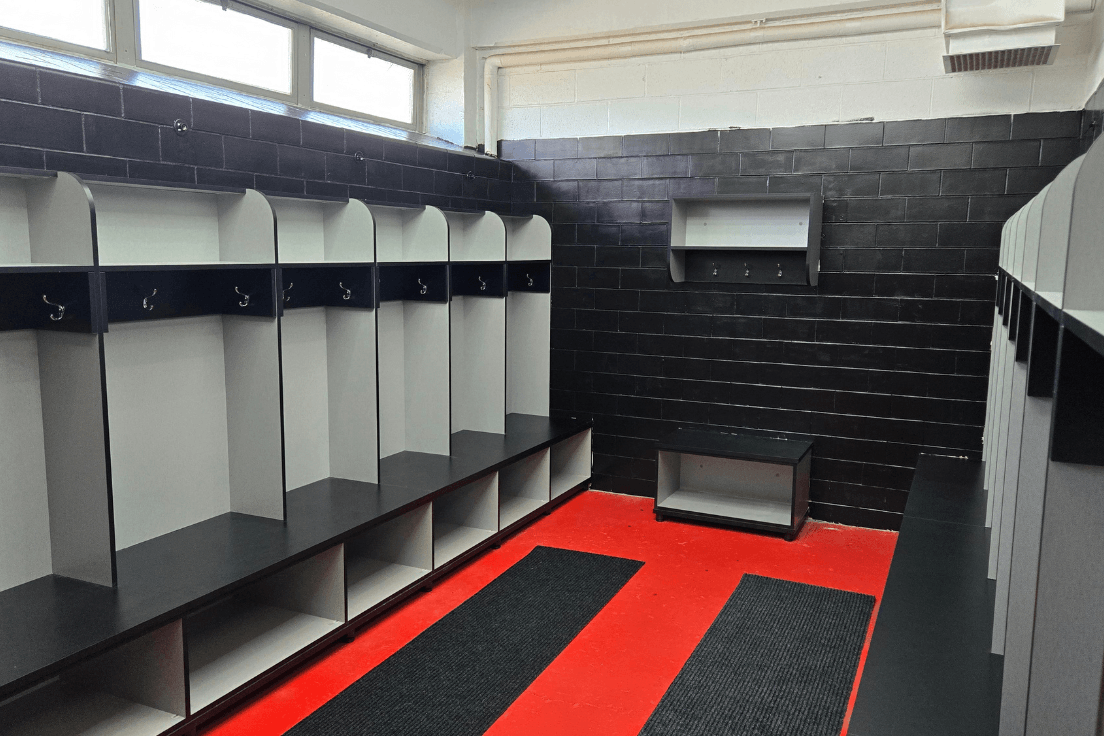
- Clear your entryway/mudroom and group shoes, bags, and other grab-and-go items.
- Organize the coat closet or mudroom and move out-of-season items into storage.
- Straighten up your tools, sports gear, and household extras so they’re easier to store and find.
- Use large totes in the basement, attic, or garage for seasonal items and loose clutter, and label them clearly.
- Clean out the car and keep the basics, like important papers, wipes, and a small trash bag, in one easy-to-reach spot.

Bonus Days: Catch Up and Reset
Not every week goes exactly to plan, and that’s fine. Use the last couple of days to catch up on anything you missed, revisit a trouble spot, or dive into a space that still needs a little more attention.
Use these extra days to tackle anything you didn’t get to, like:
- A hall closet, utility cabinet, or other small storage spot that still needs work.
- Bathroom drawers, a vanity, or personal care areas that collect extras.
- A sideboard, console, shelf, or other shared-space surface that attracts clutter.
- Any donation pile or loose overflow you pulled out during the month but haven’t finished dealing with.
Conclusion
Getting organized doesn’t have to happen all at once. By breaking it into smaller steps, you can make progress without getting overwhelmed by the whole task. Download the checklist here and get started today.
Once you’ve worked through the clutter, addressed the problem spots, and put better systems in place, take a minute to give yourself a pat on the back and put your feet up.
And if you realized some areas need more than a quick reset, we can design custom storage solutions that make those spaces easier to use and keep organized. Reach out to learn more or book your free design consultation.
BEST OF PHILLY® 2026 WINNER FOR BEST HOME STORAGE